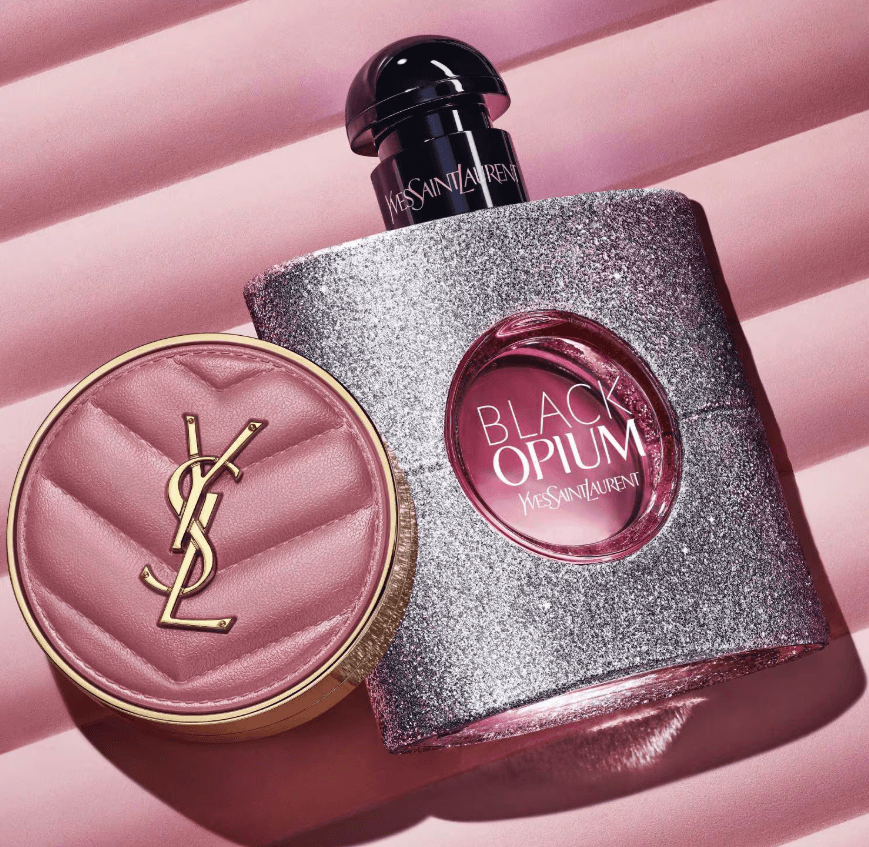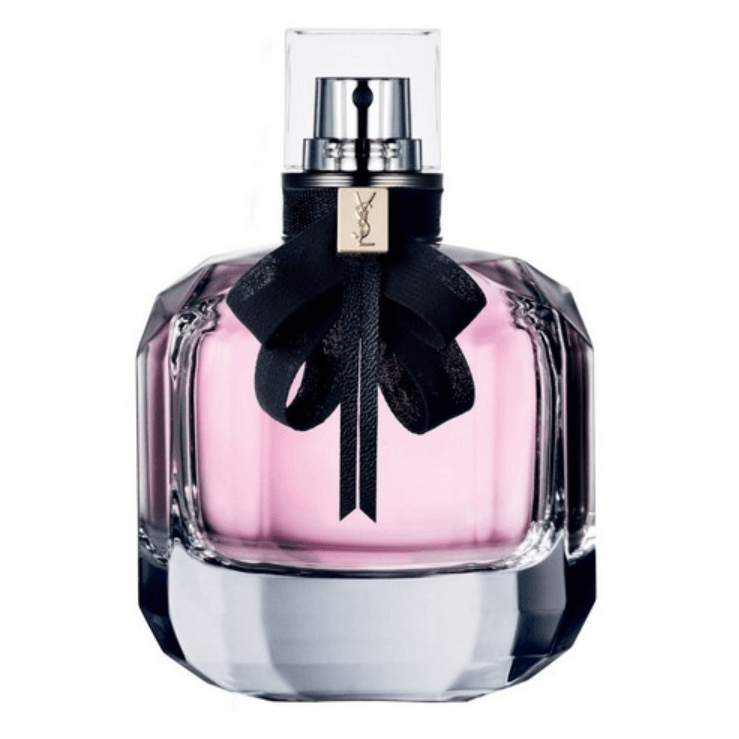
Behind every great bottle is a perfumer, a field, and a thousand small decisions. A look at the craft, and the patience, that separates fragrance from perfume.
The history of luxury perfumery
Perfume began as something sacred. The very word comes from the Latin per fumum — through smoke — a reminder that the first fragrances rose from temple fires and burning resins, offerings carried upward to the divine. From Mesopotamia and Egypt the art travelled to the courts of Arabia and Persia, where distillation was refined, and then to Renaissance Europe, where it became the signature of power and seduction.
By the seventeenth century, Grasse, in the south of France, had turned from tanning leather to growing flowers, and a town became a capital. The marriage of French floral fields with the chemistry of the modern age, in the late nineteenth century, gave birth to perfumery as we know it: a discipline at once agricultural, scientific and unmistakably artistic.
Craftsmanship
At the centre of every fine fragrance is the perfumer — the nose — trained over a decade or more to recognise and recall thousands of raw materials from memory. To compose is to hold an invisible architecture in the mind, balancing volatility and weight, brightness and shadow, so that a formula of dozens of ingredients reads as a single, seamless idea.
It is slow work. A composition may pass through hundreds of revisions over months or years, each adjustment a fraction of a percent, before it is deemed finished. This is the difference luxury protects: the refusal to rush, the willingness to discard a beautiful accord because it is not yet right. Craft, here, is measured in patience as much as in skill.
Raw materials
The soul of a luxury fragrance lives in its materials. A kilo of rose absolute can demand several tonnes of hand-picked petals, gathered at dawn before the sun draws out their oils. Jasmine is harvested at night; sandalwood matures for decades; orris root is aged for years before it yields its powdery violet warmth. These ingredients are expensive because they are precious, and precious because they cannot be hurried.
Fine houses guard their supply the way a vineyard guards its terroir, returning to the same fields and growers season after season. The greatest compositions marry these naturals with the precision of well-chosen synthetics — molecules that lend clarity, lift and longevity no flower alone can provide. Luxury is not the absence of chemistry but the intelligence with which nature and science are brought together.
Why luxury fragrances are different
The gap between a luxury fragrance and a commodity one is not marketing; it is concentration, quality and care. Finer materials in higher proportion give a scent its roundness, its slow and graceful drydown, its refusal to turn thin or harsh as the hours pass. You can smell the difference in how a perfume ages on skin — and in how it lingers, hours later, without ever shouting.
There is integrity, too, in restraint. A luxury house can afford to leave a composition uncrowded, to let a single magnificent material breathe rather than masking it. What you pay for is not the bottle but the thousand decisions inside it — and the confidence to make them quietly.
The emotional power of scent
Of all the senses, smell is the one wired most directly to memory and emotion, reaching the brain's oldest regions before thought can intervene. This is why a fragrance can move us so completely — why it can summon a person who is gone, a place we have not seen in years, a version of ourselves we had forgotten. Perfume is the most intimate art because it lives on the body and in the mind at once.
That is the real ambition of luxury perfumery: not merely to smell beautiful, but to become woven into a life. The finest fragrances are not consumed so much as remembered, carried forward in the people who encounter them. To wear one well is to leave behind something more lasting than an impression — a small, invisible inheritance of scent.