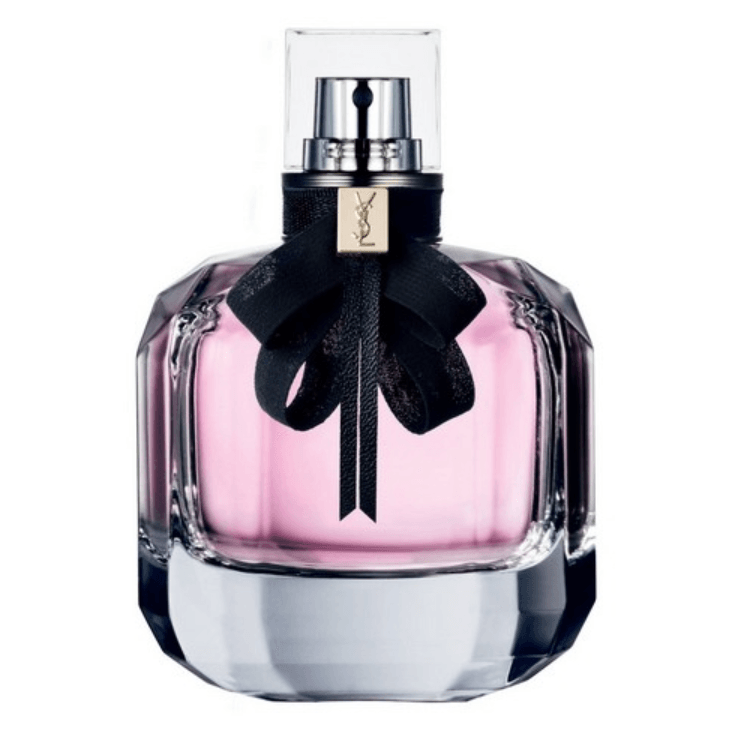
Top, heart and base — the invisible architecture every fragrance is built on, and the reason a scent smells like one thing on paper and another, hours later, on you.
Top notes
Top notes are the opening — the first impression a fragrance makes in the seconds after it touches the skin. They are built from small, volatile molecules that evaporate quickly: citrus, light fruits, aromatic herbs, the cool snap of pink pepper. Bright and immediate, they are designed to seduce, and they are gone within fifteen minutes.
Because they fade so fast, top notes are the least reliable guide to whether a perfume is right for you. The bergamot that dazzles on the blotter is a prelude, not the piece. The wise approach is to enjoy the opening for what it is — an overture — and then wait for the music that follows.
Heart notes
As the top notes lift, the heart emerges — the character of the fragrance, and the part you will live with for most of the day. This is the realm of florals, spices and rounded fruits: rose, jasmine, orange blossom, the warmth of coffee or the lushness of peony. The heart is where a perfume reveals its temperament.
Heart notes are often called the middle notes, but there is nothing middling about them. They are the bridge between the fleeting brightness above and the lasting depth below, and a great composition spends real craft here, smoothing the transition so that no single moment feels like a seam. When people say a fragrance is beautiful, it is usually the heart they mean.
Base notes
The base is the foundation — the deep, slow notes that anchor everything and linger longest on the skin. Built from large, heavy molecules, they unfold over hours and often into the next day: vanilla, amber, musk, patchouli, sandalwood, cedar. These are the notes that leave a trail on a scarf and a memory in a room.
Base notes do more than last; they hold the rest of the composition in place. A well-built base lends body and warmth to the heart above it, slowing the whole fragrance down so it ages gracefully on skin rather than collapsing. It is the part of a perfume you feel as much as smell — the warmth at the close of the day.
Fragrance evolution
A perfume is not a single image but a sequence, and the technical name for its journey is the drydown — the way it changes from the first spray to the final trace. This evolution is why a scent smells different an hour after you wear it, and why patience is the only honest way to judge one. The fragrance you fall for should be the one it becomes, not merely the one it begins as.
Your own skin is part of the formula. Its warmth, oils and chemistry pull certain notes forward and soften others, which is why the same perfume can smell subtly different on two people. This is not a flaw but the point: a fine fragrance is a collaboration between the perfumer's intention and the person wearing it.
How perfume composition works
Perfumers speak of building a fragrance like a chord — top, heart and base sounding together, each note chosen for how it meets the others. The art lies not in the rarity of any single ingredient but in proportion and transition: how the citrus hands off to the rose, how the rose settles into the amber, so the whole reads as one continuous thought.
Understanding this structure changes how you wear scent. You learn to test on skin rather than paper, to wait out the opening, and to judge a perfume by its heart and base. Most of all, you begin to read fragrance the way you might read a piece of music — not as a single note, but as the way the notes move.